Introduction
Traveling is one of the best ways to explore new places, meet different people, and experience new cultures. However, every successful journey starts with proper planning. Whether someone is planning a family vacation, a weekend trip, or a long road journey, having the right travel information can make a big difference. Maps, navigation tools, and destination guides help travelers understand where they want to go and how they can reach their destinations.
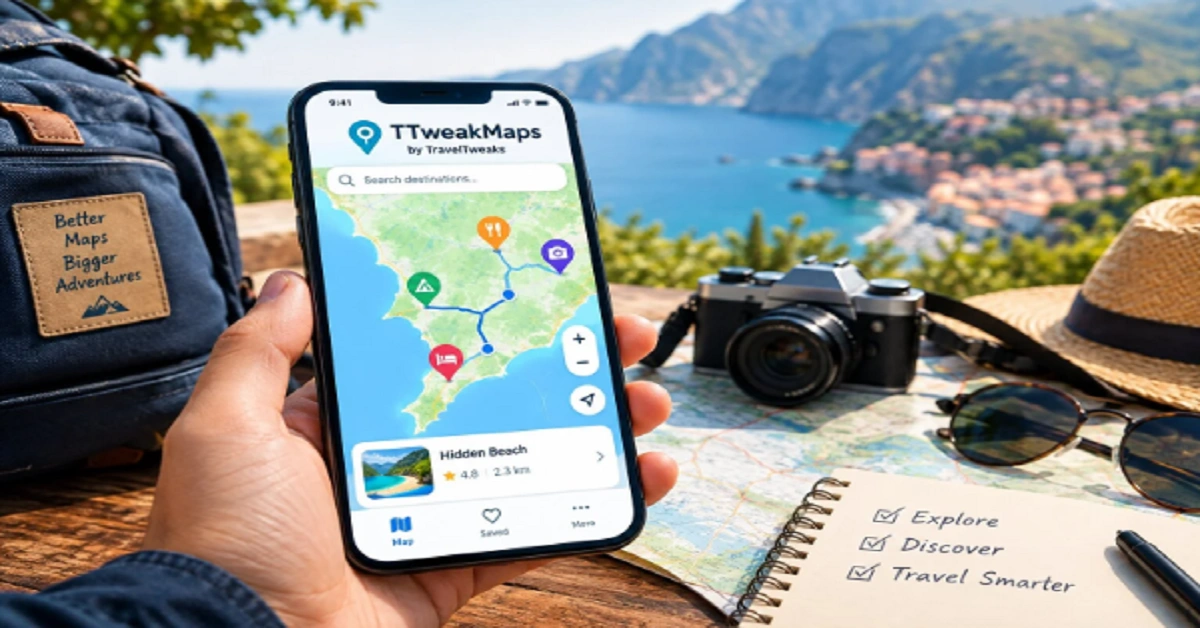
Map guides ttweakmaps traveltweaks is a useful keyword for exploring the connection between digital maps, travel guides, and modern travel planning. These topics are important because people increasingly depend on online information to discover destinations, understand routes, and organize their trips.
In the past, travelers mostly depended on printed maps and written directions. Today, smartphones, digital mapping services, and online travel resources have made navigation much easier. People can check distances, explore nearby attractions, compare routes, and find useful information before leaving home.
This guide explains nine important ways to understand travel maps and improve travel planning. It also discusses useful features, common mistakes, practical tips, and frequently asked questions.
Understanding Travel Maps and Guides
Travel maps are important tools that help people understand geographical locations and find directions. They provide information about roads, cities, towns, landmarks, natural areas, and other important places. A good map can make traveling easier because it helps people understand their surroundings.
Travel guides provide additional information about destinations. They may include popular attractions, accommodation suggestions, transportation options, local activities, and useful travel advice.
The combination of maps and travel guides gives people a better understanding of their journeys.
For example, someone planning a trip to a new city may use a digital map to locate their hotel. They can then explore nearby restaurants, shopping areas, parks, and historical places.
What Are Digital Travel Maps?
Digital travel maps are electronic maps that people can access through smartphones, computers, tablets, and other devices. They offer several useful features that make navigation more convenient.
Some common features include:
-
Location searching.
-
Route directions.
-
Distance calculations.
-
Traffic information.
-
Nearby place discovery.
-
Walking and driving routes.
-
Satellite views.
-
Offline map access.
These features help travelers make better decisions before and during their journeys.
Why Are Travel Guides Important?
Travel guides help people prepare for unfamiliar destinations. They provide information that may not be immediately available through a simple map.
For example, a traveler visiting a mountain area may need information about weather conditions, road access, walking paths, and nearby accommodation.
A detailed travel guide can help travelers understand these things and avoid unnecessary problems.
Importance of Digital Maps in Modern Travel
Digital maps have changed the way people travel. Instead of carrying large printed maps, travelers can now access detailed geographical information through their smartphones.
One important advantage is convenience. People can search for a location within seconds and receive directions without manually studying complicated road maps.
Another benefit is that digital maps can provide updated information. Depending on the service and location, users may receive traffic updates, road closure information, and alternative routes.
Digital maps are also helpful for people visiting unfamiliar cities. They can identify nearby services, public transportation stations, hospitals, and other important places.
However, travelers should understand that digital maps aren’t always perfect. Some remote areas may have limited coverage, outdated information, or inaccurate directions. Therefore, checking important details before traveling is always a sensible decision.
9 Powerful Ways to Improve Travel Planning
Planning a journey becomes easier when travelers follow a few simple steps. The following nine methods can help people organize their trips and enjoy better travel experiences.
1. Understand Your Destination Before Traveling
The first step in successful travel planning is understanding your destination. Before starting a journey, learn about the location, its geographical position, transportation facilities, and important attractions.
A digital map can help you identify different areas and understand how far they are from each other.
For example, if you’re visiting a popular tourist city, you should check the locations of museums, parks, shopping centers, and historical landmarks.
Knowing these details helps you organize your daily activities more effectively.
You should also research the local weather, transportation options, and seasonal conditions. These details can help you decide what clothes to pack and which activities are suitable for your trip.
2. Choose the Best Travel Route
Selecting the right route is another important part of travel planning. Different routes may have different distances, road conditions, and travel times.
A navigation application can help compare available routes and suggest suitable options.
Consider these factors before selecting a route:
-
Total travel distance.
-
Estimated travel time.
-
Road conditions.
-
Traffic congestion.
-
Fuel availability.
-
Rest stops.
-
Weather conditions.
For example, the shortest route isn’t always the best option. A slightly longer road may be safer, smoother, or easier to travel.
Always consider your personal needs and the conditions of the journey before making a final decision.
3. Discover Nearby Attractions
One of the most enjoyable parts of traveling is discovering interesting places.
Digital maps can help travelers find attractions located near their destinations. These may include parks, restaurants, museums, beaches, shopping centers, and historical buildings.
Instead of visiting places randomly, create a list of attractions before starting your journey.
You can group nearby attractions together and visit them on the same day. This approach saves time and reduces unnecessary transportation expenses.
For example, if three popular attractions are located within a short distance of each other, visiting them together may be more convenient than traveling across the city multiple times.
4. Use Digital Navigation Tools
Digital navigation tools have become essential for many modern travelers. They provide directions and help people reach destinations more confidently.
Applications such as Google Maps and Apple Maps offer location searches and navigation features.
Travelers can use these services to:
-
Find specific addresses.
-
Check available routes.
-
Explore unfamiliar streets.
-
Locate nearby businesses.
-
Estimate travel times.
-
Receive navigation instructions.
However, don’t depend entirely on technology. Keep important addresses saved and pay attention to road signs.
5. Check Travel Distances and Estimated Times
Understanding travel distances helps people create realistic travel schedules.
Before leaving, check how far your destination is from your starting point. Also consider possible delays caused by traffic, weather, road construction, or transportation changes.
For example, a journey that normally takes two hours may take longer during busy travel periods.
A practical travel schedule should include enough time for:
-
Meals and refreshments.
-
Rest breaks.
-
Fuel stops.
-
Unexpected delays.
-
Visiting attractions.
Avoid planning too many activities in a single day. A comfortable schedule allows you to enjoy your journey without unnecessary stress.
6. Plan Road Trips Carefully
Road trips offer freedom and flexibility. Travelers can stop at interesting places, explore beautiful landscapes, and enjoy time with family or friends.
However, a road trip requires proper preparation.
Start by selecting your destination and identifying the main route. Then locate useful places along the way, such as fuel stations, restaurants, rest areas, and accommodation.
Before departure, check your vehicle’s condition. Make sure the tires, brakes, lights, and essential equipment are working properly.
A road trip checklist may include:
-
Driving license and vehicle documents.
-
Mobile phone and charger.
-
Drinking water and snacks.
-
First-aid supplies.
-
Emergency contact information.
-
Offline navigation maps.
-
Suitable clothing.
Good preparation can make a road trip more comfortable and enjoyable.
7. Save Offline Maps for Better Navigation
Internet access isn’t available everywhere. Some travelers visit mountains, villages, forests, or remote destinations where mobile signals may be weak.
Offline maps can be helpful in these situations.
Many digital mapping services allow users to download selected geographical areas before traveling.
This means travelers can access certain map information without an active internet connection.
Before downloading an offline map, check the following:
-
Select the correct geographical area.
-
Make sure your device has enough storage.
-
Download the map using a reliable internet connection.
-
Update saved maps when necessary.
-
Check which navigation features work offline.
Remember that offline maps may not provide live traffic information or every online feature.
8. Organize Travel Information in One Place
Keeping travel information organized can make a journey much easier.
Travelers often need to manage hotel addresses, transportation details, booking confirmations, attraction locations, and important phone numbers.
Keeping these details in one place reduces confusion.
You can create a simple digital travel folder containing:
| Travel Information | Details to Save |
|---|---|
| Destination | City and country |
| Accommodation | Hotel name and address |
| Transportation | Flight, train, or bus details |
| Attractions | Places you want to visit |
| Emergency contacts | Important phone numbers |
| Navigation | Saved maps and routes |
You can also share your itinerary with trusted family members.
This simple habit can make travel planning more organized.
9. Stay Safe During Travel
Safety should always be an important part of every journey.
Maps can help travelers locate hospitals, police stations, fuel stations, and other useful facilities. However, knowing where these places are doesn’t replace proper safety precautions.
Follow these practical recommendations:
-
Check weather conditions before departure.
-
Avoid unfamiliar roads at night when possible.
-
Keep your phone charged.
-
Share your travel plans with someone you trust.
-
Follow local traffic regulations.
-
Keep important documents secure.
-
Avoid stopping in unsafe areas.
When traveling internationally, research local laws and transportation rules before your trip.
A little preparation can help prevent many common travel problems.
Benefits of Travel Map Guides
Travel map guides provide several benefits for people who enjoy exploring new destinations.
1. Better Navigation
Maps help travelers understand directions and identify their destinations. This is particularly useful when visiting unfamiliar cities or regions.
2. Time Management
Planning routes and attractions beforehand can help travelers use their available time more effectively.
3. Cost Management
Travel maps can help people compare routes and identify nearby services. This may reduce unnecessary transportation expenses.
4. Improved Travel Confidence
People often feel more confident when they understand where they’re going and what to expect along the way.
5. Easier Group Travel
Families and friends can use shared travel information to coordinate activities and meeting points.
6. Better Destination Discovery
Digital maps can introduce travelers to attractions and useful locations they might otherwise overlook.
Digital Maps vs. Traditional Maps
Both digital and traditional maps have advantages. The best option depends on the destination, available technology, and personal preferences.
| Feature | Digital Maps | Traditional Maps |
|---|---|---|
| Accessibility | Smartphones and computers | Printed paper |
| Updates | Can receive updates | Usually require replacement |
| Navigation | Often provide guided directions | Require manual navigation |
| Internet | Sometimes required | Not required |
| Battery | Requires device power | No battery needed |
| Convenience | Easy to carry digitally | Can be difficult to carry |
| Traffic updates | Available on supported services | Not available |
Digital maps are convenient for everyday travel. However, traditional maps can still be valuable in remote locations or during unexpected technology problems.
Carrying a printed map as a backup can be a sensible idea for longer journeys.
How Map Guides Ttweakmaps Traveltweaks Can Support Travel Planning
The keyword map guides ttweakmaps traveltweaks brings together three important ideas: map guides, travel-related information, and travel improvements.
These subjects are connected because modern travelers need more than simple directions. They also need reliable information about destinations, transportation, safety, and local attractions.
When exploring resources related to this keyword, readers should focus on the usefulness and reliability of the information provided.
A helpful travel map guide should ideally explain how to understand routes, locate destinations, compare transportation options, and prepare for different travel situations.
Features Worth Looking for in a Travel Guide
A useful travel resource may include:
-
Clear geographical information.
-
Easy-to-understand navigation instructions.
-
Destination descriptions.
-
Road trip planning advice.
-
Practical travel recommendations.
-
Information about local attractions.
-
Safety suggestions.
These features can help readers make informed travel decisions.
Important: This article discusses the general travel-planning ideas associated with the keyword. It doesn’t establish that TtweakMaps or TravelTweaks is a verified navigation application or that a particular website offers all the features discussed above. Always verify the actual website and its services before relying on them.
Common Travel Planning Mistakes to Avoid
Even experienced travelers sometimes make mistakes when organizing their journeys. Fortunately, most of these problems can be avoided with proper preparation.
Depending Completely on Internet Access
Some destinations have weak mobile signals. Always consider downloading offline maps and saving important addresses.
Ignoring Weather Conditions
Weather can affect road conditions, transportation, and outdoor activities. Check forecasts before departure.
Choosing Routes Without Comparing Options
The first suggested route may not always be the most suitable. Compare available alternatives before traveling.
Planning Too Many Activities
A crowded schedule can make a vacation tiring. Allow enough time for rest and unexpected changes.
Forgetting Important Documents
Keep identification, tickets, booking confirmations, and other necessary documents organized.
Not Checking Map Information
Maps can contain outdated information. Confirm important addresses, opening hours, and road conditions through reliable sources.
Practical Tips for a Better Travel Experience
Traveling becomes more enjoyable when you combine careful preparation with flexibility.
Here are some additional tips:
-
Research your destination before booking.
-
Save important locations on your phone.
-
Check transportation schedules.
-
Keep emergency contacts available.
-
Download offline maps when necessary.
-
Carry a portable phone charger.
-
Compare different routes.
-
Read recent reviews of attractions and accommodation.
-
Respect local customs and traditions.
-
Keep enough time for unexpected situations.
You can also use reliable online resources to learn about travel destinations.
For example, Google Maps can help you explore geographical locations, find directions, and discover nearby places.
Frequently Asked Questions (FAQs)
1. What Does Map Guides Ttweakmaps Traveltweaks Mean?
Map guides ttweakmaps traveltweaks is a keyword related to travel maps, navigation information, and travel-planning ideas. It brings attention to the importance of using maps and helpful travel resources when organizing journeys.
2. Why Are Travel Maps Important?
Travel maps help people understand geographical locations, identify routes, calculate distances, and find important places. They make it easier to navigate unfamiliar areas.
3. Can Digital Maps Be Used Without Internet?
Yes. Some digital mapping services allow users to download maps for offline use. However, certain features, such as live traffic updates, may require an internet connection.
4. Which Digital Map Is Useful for Travelers?
Google Maps and Apple Maps are popular options. Their features vary depending on the device, location, and available services.
5. How Can I Find Tourist Attractions Using Maps?
You can search for tourist attractions, historical locations, parks, restaurants, and other places through digital mapping applications. Reading recent reviews can also help you make better choices.
6. Are Traditional Maps Still Useful?
Yes. Traditional maps don’t require batteries or internet access. They can be useful in remote locations and as backup navigation tools.
7. How Can I Plan a Road Trip More Effectively?
Choose your destination, compare routes, check road conditions, identify rest stops, prepare your vehicle, and save important locations before departure.
8. What Should I Check Before Starting a Journey?
Check the weather, transportation arrangements, travel documents, route information, accommodation details, and emergency contacts.
9. How Can Travel Guides Save Time?
Travel guides help people identify attractions, understand transportation options, and organize their activities. This reduces unnecessary searching and helps create a more efficient schedule.
Conclusion
Travel planning becomes much easier when people have access to useful maps, reliable destination information, and practical navigation tools. From choosing suitable routes to discovering nearby attractions, digital maps offer many opportunities to improve the travel experience.
Map guides ttweakmaps traveltweaks highlights the importance of understanding modern travel resources and using them wisely. Travelers can benefit from researching destinations, comparing routes, saving offline maps, and organizing important information before departure.
However, technology should always be combined with common sense and proper preparation. Checking road conditions, respecting local rules, and keeping backup information can help prevent unnecessary problems.
Whether you’re planning a short weekend visit or a long road trip, the right preparation can make your journey safer, smoother, and more enjoyable.