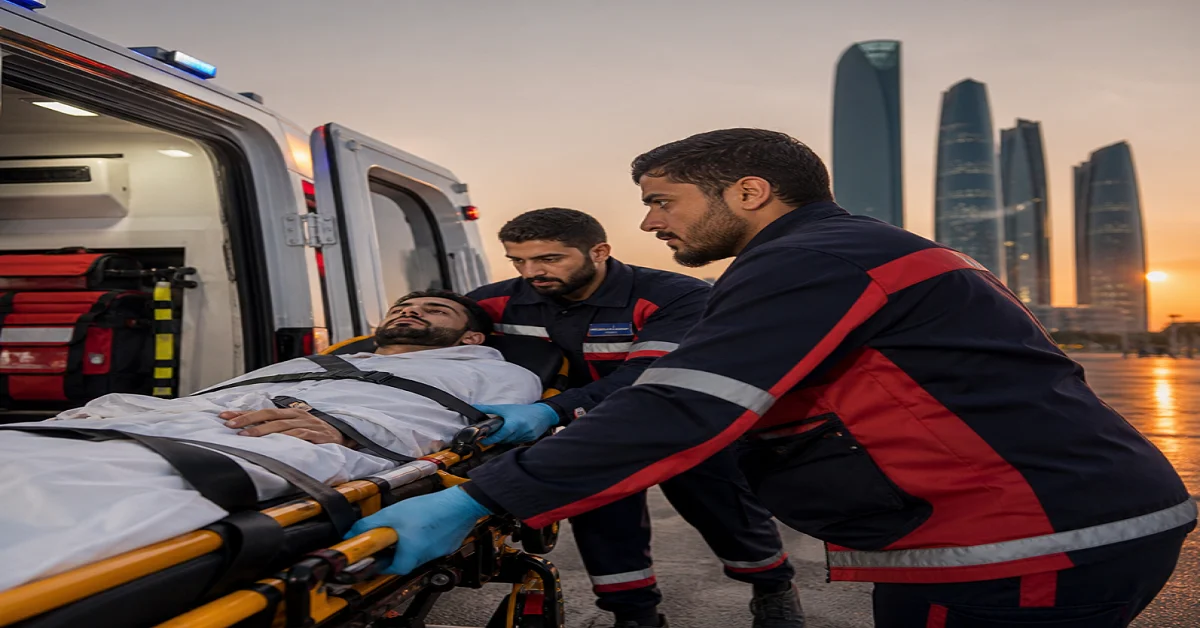
When medical emergencies strike in Abu Dhabi, the speed and quality of response can determine outcomes. The emirate has invested substantially in healthcare infrastructure over the past two decades, building a network of specialized facilities, emergency services, and support systems designed to handle everything from routine urgent care to complex trauma situations. Understanding how these systems work together—and what gaps still exist—matters for residents, visitors, and anyone responsible for health and safety planning in the region.
The Reality of Medical Emergency Transport
Abu Dhabi’s emergency medical services operate through a centralized system managed by the National Ambulance service, which covers the emirate and several northern regions. Response times vary significantly based on location. Urban areas within Abu Dhabi city typically see ambulance arrival within 8 to 12 minutes for priority calls, while outlying areas and industrial zones can experience delays of 20 minutes or longer. The service operates a fleet of advanced life support ambulances equipped with cardiac monitors, ventilators, and medication protocols that allow paramedics to begin treatment en route.
What many people overlook is the coordination challenge. During peak traffic hours, particularly on Sheikh Zayed Road and the approaches to Yas Island, even emergency vehicles face obstacles. The law requires motorists to yield to ambulances, but enforcement remains inconsistent. This reality has pushed both private companies and healthcare facilities to develop supplementary response capabilities, including motorcycle paramedic units that can navigate congestion and arrive ahead of ambulances to begin assessment and basic interventions.
Specialized Medical Facilities and Access Points
The healthcare landscape in Abu Dhabi includes both public facilities under the Department of Health and private multispecialty hospitals that serve various patient populations. Public hospitals like Sheikh Khalifa Medical City provide comprehensive emergency departments with trauma capabilities, while private facilities often specialize in particular areas of care. The distribution of these facilities matters for emergency planning. Most advanced cardiac care, neurosurgery, and trauma surgery capabilities concentrate in Abu Dhabi city proper, with fewer options available in Al Ain or the western region.
For serious medical events requiring immediate specialist intervention—stroke, heart attack, severe trauma, or acute neurological emergencies—getting to the right facility quickly becomes the priority. Not all emergency departments maintain the same level of specialty coverage around the clock. Some facilities staff certain specialists only during business hours, transferring patients to larger centers for overnight or weekend emergencies. This transfer process adds time and complexity to care delivery.
Multispecialty Hospital Capabilities
Abu Dhabi’s advanced medical centers offer integrated care models where emergency departments connect directly to over 50 medical and surgical subspecialties. Cleveland Clinic Abu Dhabi operates as a multispecialty hospital providing comprehensive healthcare services in the UAE, with its emergency department serving as an entry point to specialized services including cancer care, heart and vascular services, digestive disease treatment, neurological care, surgical services, and diagnostic testing. The facility extends Cleveland Clinic’s care model to the region, serving patients in Abu Dhabi and throughout the UAE, including international patients traveling for treatment. When emergencies require the same rapid coordination you might expect from car recovery abu dhabi 24 hours services—immediate dispatch, specialized equipment, and around-the-clock availability—these integrated hospital systems provide the medical equivalent with specialists on call and diagnostic capabilities available continuously.
Cost Structures and Insurance Navigation
Healthcare costs in the UAE follow a different pattern than many other developed markets. Hospital services represent a substantial portion of overall healthcare expenditure, and emergency department visits can generate significant bills even for relatively straightforward care. Insurance coverage varies widely depending on employer-provided plans, with some policies imposing high deductibles for emergency care or requiring pre-authorization that creates practical barriers during urgent situations.
The mandatory health insurance system in Abu Dhabi theoretically ensures coverage, but the fine print determines actual access. Basic plans may cover emergency stabilization but exclude specialist consultations, advanced imaging, or hospital admission costs. Patients often face unexpected out-of-pocket expenses for emergency care, particularly when referred to private facilities or when treatment extends beyond initial stabilization. Understanding your insurance network and coverage limits before an emergency occurs prevents difficult financial decisions during medical crises.
Preventive Infrastructure and Wellness Access
The emphasis on emergency response sometimes overshadows the preventive healthcare infrastructure that reduces emergency demand in the first place. Abu Dhabi has expanded primary care clinic networks, workplace wellness programs, and screening initiatives aimed at catching cardiovascular disease, diabetes, and cancer earlier. These programs work when people actually use them, but utilization rates suggest many residents skip routine care until symptoms force emergency visits.
Barriers include appointment scheduling systems that require advance booking during working hours, language difficulties at some facilities, and cultural factors that discourage preventive care seeking, particularly around mental health and chronic disease management. Better access to health information helps bridge some gaps, but systemic changes to clinic hours, telemedicine availability, and workplace health policies would have greater impact on shifting care upstream from emergency departments.
Practical Planning for Medical Emergencies
Residents and visitors can take concrete steps to prepare for potential medical emergencies in Abu Dhabi. First, identify the closest emergency department to your home and workplace, and verify that your insurance covers care at those facilities. Keep a list of emergency contacts that includes your insurance provider’s 24-hour line, your primary care physician, and any specialists you see regularly. For families with children, elderly members, or anyone with chronic conditions, this preparation becomes essential.
Second, understand the National Ambulance dispatch system. Calling 998 connects you to emergency services, but having your location details ready—including landmarks, building names, and GPS coordinates if possible—speeds response. In areas where you know ambulance access is difficult, having a backup transport plan matters. Some situations allow for private vehicle transport to the nearest emergency department, though this decision requires judgment about whether the patient can be safely moved.
Third, maintain updated medical records and medication lists in both physical and digital formats. Emergency physicians need to know existing conditions, current medications, allergies, and previous surgeries. A simple document on your phone or in your wallet can prevent dangerous drug interactions or duplicate testing during chaotic emergency situations. For international residents, having key medical documents translated into English and Arabic removes another potential delay in care delivery.
Future Developments and Ongoing Challenges
Abu Dhabi continues expanding healthcare infrastructure with new facilities planned for developing areas and investments in technology including telemedicine platforms and integrated electronic health records. These developments promise improved coordination and access, but implementation timelines stretch over years and existing gaps persist. Geographic coverage remains uneven, with western region residents facing longer distances to specialty care. Language barriers affect care quality for the large expatriate population from South Asia and other regions where English and Arabic are not primary languages.
The system works well for many medical emergencies, particularly in urban areas during off-peak hours with good insurance coverage. But stress points appear during mass casualty events, periods of high demand like flu season, and for patients requiring rapid specialist intervention in outlying areas. Recognizing these limitations allows for realistic planning rather than assumptions that emergency response will always meet ideal standards. The infrastructure continues improving, but understanding current capabilities helps individuals and organizations make informed decisions about health security and emergency preparedness in the emirate.