
What Is comfortglobalhealth com?
comfortglobalhealth com can be understood as a health-focused topic centered on global wellness, health awareness, and better access to useful information. In the modern digital age, people frequently search online for answers about nutrition, exercise, disease prevention, healthy routines, and general well-being. A health information platform or resource can help organize these subjects in a way that is easier for ordinary readers to understand.
The main idea behind a topic such as comfortglobalhealth com is simple: good health information should be understandable, practical, and useful. People don’t always need highly technical language when they want to learn how to improve their daily habits. Often, they need clear explanations and realistic advice that can fit into everyday life.
Health is not limited to visiting a doctor when someone becomes ill. It also includes prevention, healthy eating, physical activity, emotional balance, adequate sleep, and awareness of possible health risks. Therefore, reliable global health education can help individuals make informed choices before small problems become larger concerns.
A useful health resource should also respect the limits of general information. Online content can support education, but it can’t replace personalized diagnosis or treatment from a qualified healthcare professional. This distinction is essential because every person’s situation may be different.
Why Global Health Information Matters
Global health information is becoming increasingly important because health challenges affect people in every part of the world. Infectious diseases, poor nutrition, stress, lack of exercise, environmental concerns, and chronic conditions can influence families and communities.
The more people understand the basics of health, the better prepared they may be to make sensible decisions. Reliable information can encourage healthier habits and reduce confusion caused by myths or misleading online claims.
Understanding Modern Health Challenges
Modern life offers many conveniences, but it also creates new challenges. Many people spend long hours sitting, eating processed foods, sleeping poorly, or experiencing continuous stress. These habits can gradually affect overall well-being.
Common lifestyle concerns include:
- Lack of physical activity
- Unhealthy eating patterns
- Poor sleep routines
- Excessive screen time
- High levels of stress
- Limited knowledge about prevention
- Following unverified health advice online
A platform or topic such as comfortglobalhealth com can encourage readers to think more carefully about these issues. Awareness is often the first step toward positive change.
The Need for Reliable Information
Not everything published online is accurate. Some websites make exaggerated claims, promote unrealistic cures, or present incomplete information. That’s why readers should consider the source before accepting health advice.
Reliable information should ideally be based on recognized medical knowledge, qualified experts, scientific evidence, and trustworthy public health organizations. For broader public-health guidance, readers can also explore resources from the World Health Organization.
7 Powerful Benefits of Health Education
Health education can have a strong influence on individuals and communities. Below are seven important benefits.
1. Better Daily Decisions
When people understand basic health principles, they can make more informed decisions. For example, learning about hydration may encourage someone to drink enough water, while understanding food labels may help another person choose healthier products.
Small choices matter. One healthy meal won’t transform a person’s life overnight, but consistent positive decisions can create meaningful long-term improvements.
2. Improved Nutrition
Nutrition plays a major role in health. People who understand the importance of fruits, vegetables, protein, fiber, and other nutrients may find it easier to create balanced meals.
Good nutrition doesn’t always mean expensive food. Many affordable foods can support a healthy diet when selected and prepared wisely.
Helpful Nutrition Habits
- Eat a variety of foods
- Include vegetables and fruits regularly
- Choose appropriate portions
- Limit excessive added sugar
- Drink enough water
- Avoid relying too heavily on highly processed foods
3. Disease Prevention
Preventive health education can encourage people to recognize risks and adopt healthier habits. Regular exercise, nutritious food, hygiene, vaccinations when medically appropriate, and routine healthcare can all play important roles in prevention.
Prevention is often easier than dealing with a problem after it becomes serious.
4. Better Mental Well-Being
Health isn’t only physical. Emotional well-being and mental balance also matter. Understanding stress, rest, social support, and healthy routines can help people take better care of themselves.
Simple activities such as walking, spending time with supportive people, sleeping properly, and taking breaks from constant digital activity can support overall well-being.
5. Increased Physical Activity
Health education can motivate people to move more. Not everyone needs intense workouts. Walking, stretching, cycling, gardening, or playing a sport can contribute to an active lifestyle.
The key is finding activities that are safe, enjoyable, and sustainable.
6. Greater Health Awareness
People who know more about health may recognize when they need professional advice. This doesn’t mean self-diagnosing through the internet. Instead, it means understanding when symptoms or concerns shouldn’t be ignored.
Awareness can help people ask better questions when they consult qualified healthcare professionals.
7. Stronger Communities
Health knowledge can benefit more than one individual. A parent may teach healthy habits to children. A teacher may share useful information with students. Community organizations can encourage exercise, nutrition, and hygiene.
In this way, knowledge can spread from one person to another.
Nutrition and Healthy Eating
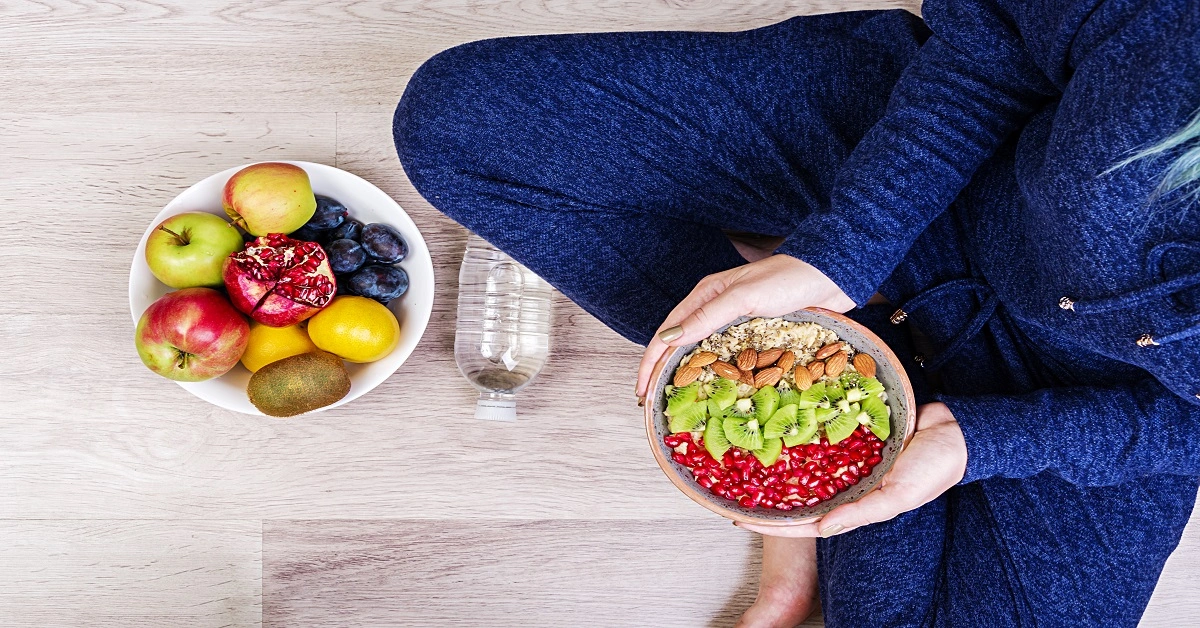
Nutrition is one of the most important foundations of a healthy lifestyle. The body needs energy and nutrients to function properly. However, healthy eating doesn’t require perfection.
A balanced approach is usually more realistic than following extreme diets. People should aim for variety and consistency rather than expecting every meal to be ideal.
The Importance of a Balanced Diet
A balanced diet generally includes different types of foods that provide important nutrients. Individual nutritional needs can vary depending on age, activity level, and other personal factors.
Major Food Groups
A balanced eating pattern may include:
| Food Category | General Role |
| Fruits | Provides vitamins and fiber |
| Vegetables | Supports overall nutrition |
| Whole grains | Can provide energy and fiber |
| Protein foods | Supports body functions |
| Dairy or alternatives | May provide important nutrients |
| Healthy fats | Supports several body processes |
The goal isn’t to fear food. Instead, the goal is to develop a sensible relationship with food and understand how different choices fit into an overall healthy lifestyle.
comfortglobalhealth com as a health information topic can help readers focus on practical education instead of quick-fix promises.
Physical Activity and Fitness
Regular movement is another major part of a healthy lifestyle. Physical activity can support general fitness, strength, mobility, and daily energy levels.
Many people think exercise requires a gym membership or expensive equipment. That’s not always the case. Everyday movement can also be valuable.
Easy Ways to Stay Active
Here are several simple ideas:
- Take regular walks
- Use stairs when practical
- Stretch after long periods of sitting
- Ride a bicycle
- Participate in a sport
- Do beginner-friendly home exercises
- Spend time doing active household tasks
The best activity is often the one a person can continue doing consistently. There’s no need to go all out on the first day and then quit after a week. Starting slowly and building a routine can be more sustainable.
Preventive Healthcare and Disease Awareness

Preventive healthcare focuses on reducing risks and identifying concerns early. While no lifestyle can guarantee perfect health, healthy habits can still support overall well-being.
Everyday Prevention Habits
Useful habits may include:
- Washing hands properly.
- Maintaining good personal hygiene.
- Eating nutritious foods.
- Staying physically active.
- Getting adequate sleep.
- Avoiding harmful habits.
- Following appropriate public-health guidance.
- Seeking professional medical advice when needed.
Health education should empower people, not frighten them. A reliable source should explain risks clearly without using unnecessary fear.
This is one reason why responsible information matters. Readers searching for comfortglobalhealth com or similar health topics should always remember that online information is educational and should not replace professional medical care.
Mental Wellness and Emotional Health
Mental wellness is closely connected with everyday life. Stress, pressure, lack of rest, and social difficulties can affect how people feel and function.
Good emotional health doesn’t mean feeling happy every moment. Everyone experiences difficult days. Instead, mental wellness involves developing healthy ways to manage emotions and seek support when necessary.
Managing Stress in Daily Life
Several practical habits may help people manage everyday stress:
- Create a regular sleep routine.
- Take short breaks during demanding tasks.
- Spend time outdoors when possible.
- Stay connected with trusted friends or family.
- Avoid unnecessary information overload.
- Practice relaxation techniques.
- Seek qualified professional support when concerns become difficult to manage.
A healthy lifestyle works best when physical and emotional needs are both considered.
How to Identify Reliable Health Information
The internet provides enormous amounts of health information, but readers should approach claims carefully.
Checking Sources and Medical Advice
Before trusting health content, ask:
- Who created the information?
- Does the author or organization have relevant expertise?
- Are claims supported by credible evidence?
- Is the content recent?
- Does the article promise unrealistic results?
- Does it encourage professional care when appropriate?
Be cautious of statements such as “guaranteed cure,” “works for everyone,” or “no medical treatment needed.” Health is complex, and responsible sources should acknowledge that.
A good article should also distinguish between general wellness suggestions and medical advice.
Technology and the Future of Global Health
Technology is changing how people access health information. Smartphones, wearable devices, telehealth services, and digital educational tools have made health resources more accessible in many situations.
Digital Health Tools
Modern tools may help people:
- Track physical activity
- Monitor daily habits
- Schedule health appointments
- Access educational resources
- Communicate with healthcare providers where services are available
However, technology should be used carefully. Privacy, data security, and the accuracy of digital tools remain important concerns.
Online Health Education
Digital education can make health information available to people who might not have easy access to traditional resources. Videos, articles, public-health websites, and online programs can all support learning.
The Importance of Digital Responsibility
Technology can be helpful, but users should avoid sharing sensitive personal information carelessly. They should also remember that a search engine or chatbot cannot automatically provide the same level of assessment as an appropriate healthcare professional.
Building Healthy Habits for Long-Term Success
The most effective health routines are usually realistic. Trying to change everything at once can feel overwhelming.
Instead, people can begin with one or two manageable goals.
Simple Steps for Everyday Wellness
Consider starting with:
- Drinking more water
- Walking regularly
- Adding more vegetables to meals
- Improving sleep habits
- Taking regular movement breaks
- Reducing unnecessary stress triggers
- Learning from reliable health sources
Small progress is still progress. A person doesn’t need to follow a perfect routine to benefit from better habits.
Create a Sustainable Routine
A sustainable routine fits into normal life. For example, a busy person may not be able to exercise for two hours every day, but a 20-minute walk may be realistic.
The same principle applies to nutrition. Preparing a simple, balanced meal may be more sustainable than following an extremely restrictive diet.
Focus on Progress
People often stop trying because they expect immediate results. Health changes usually require time. A missed workout or unhealthy meal doesn’t mean a person has failed.
The important thing is returning to positive habits.
Learn and Adjust
Everyone’s lifestyle is different. What works for one person may not work perfectly for another. Learning, adjusting, and seeking qualified advice when needed are all part of responsible health management.
The Value of Consistency
Consistency is often more valuable than short periods of extreme effort. A simple habit practiced regularly can become part of a healthier lifestyle over time.
Frequently Asked Questions About comfortglobalhealth com
1. What is comfortglobalhealth com?
comfortglobalhealth com is a health-related topic associated with information about wellness, healthy living, nutrition, fitness, disease awareness, and global health education.
2. Is online health information always reliable?
No. Online health information should be evaluated carefully. Readers should check the source, author, evidence, and date of publication before relying on important claims.
3. Can online health articles replace a doctor?
No. General health articles are educational and cannot replace personalized medical diagnosis, treatment, or advice from a qualified healthcare professional.
4. Why is nutrition important for overall health?
Nutrition provides the body with energy and essential nutrients. A balanced diet can support normal body functions and overall well-being.
5. How can I start a healthier lifestyle?
Start with simple steps such as improving food choices, increasing daily movement, drinking enough water, and creating a better sleep routine.
6. Why is physical activity important?
Regular physical activity can support general fitness, mobility, strength, and overall well-being. The best routine is one that is appropriate and sustainable.
7. How can I recognize unreliable health claims?
Be cautious of guaranteed cures, extreme promises, miracle products, and advice that discourages necessary professional medical care.
8. What is the role of health education?
Health education helps people understand basic wellness principles, recognize health risks, and make more informed everyday decisions.
Conclusion
comfortglobalhealth com represents the importance of accessible and responsible information about health, wellness, nutrition, physical activity, disease prevention, and emotional well-being. In a world filled with conflicting online advice, readers need information that is clear, balanced, and practical.
The path toward better health doesn’t require perfection. It often begins with small, realistic changes. Choosing more nutritious foods, moving regularly, improving sleep, managing stress, and learning from reliable sources can all contribute to a healthier lifestyle.
Most importantly, people should understand the limits of general online information. Educational content can help readers become more informed, but professional healthcare remains essential for personal medical concerns.
By focusing on awareness, consistency, and responsible decision-making, individuals and communities can take positive steps toward better well-being. Reliable health education can empower people to ask better questions, develop healthier routines, and build a stronger understanding of the factors that influence long-term health.