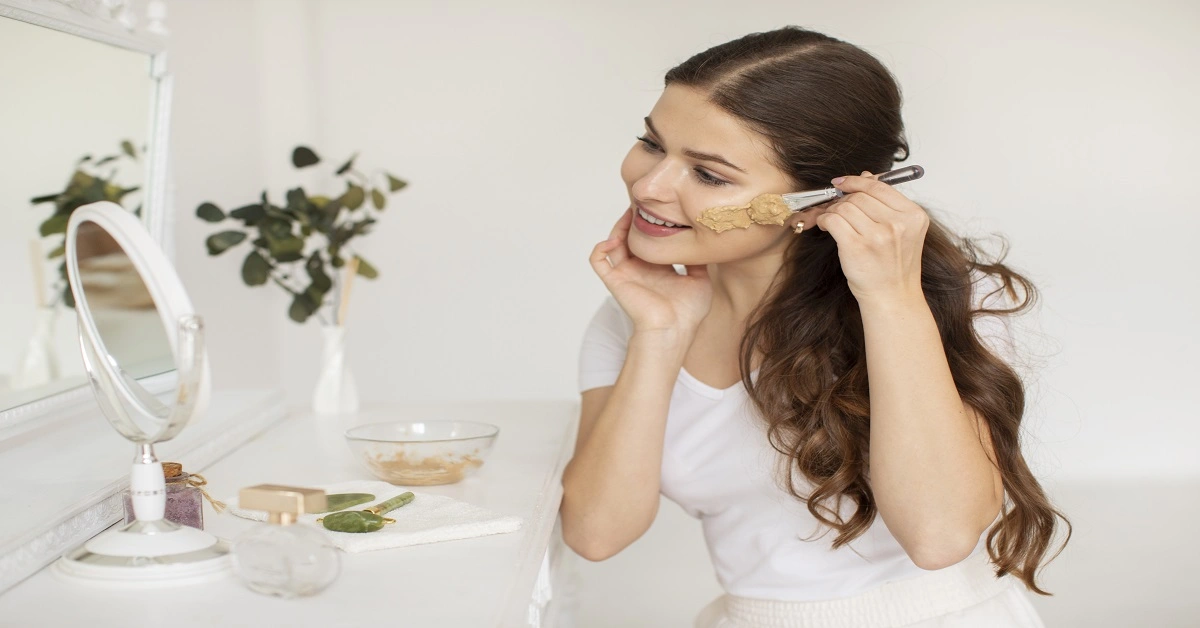
Introduction to clearskinstudy
Taking care of your skin doesn’t have to mean buying dozens of expensive products or following complicated beauty routines. In fact, a simple and consistent approach can often make skincare much easier to understand. clearskinstudy can be viewed as a useful concept for exploring practical skincare information, daily habits, product choices, and ways to develop a routine that suits individual needs.
Skin is constantly exposed to environmental factors such as sunlight, dust, changing weather, indoor heating or cooling, and pollution. At the same time, natural factors such as age, genetics, hormones, and lifestyle can affect how the skin looks and feels. That’s why a routine that works well for one person might not produce the same experience for someone else.
A good skincare routine begins with the basics. Clean the skin gently, maintain moisture, protect it from excessive sun exposure, and avoid unnecessary irritation. From there, additional products can be introduced according to individual concerns and preferences.
The goal shouldn’t be perfection. Instead, think of skincare as a long-term habit. Small actions repeated consistently can be more practical than constantly changing products.
What Is clearskinstudy?
The term clearskinstudy can be used as a skincare-focused keyword associated with learning about clearer-looking, healthier skin and practical personal-care routines. When researching any skincare topic, it’s important to separate general educational information from personalized medical advice.
A useful skincare approach considers several areas:
- Skin type and individual needs
- Cleansing habits
- Moisture balance
- Sun protection
- Product ingredients
- Lifestyle factors
- Possible skin sensitivities
- Professional dermatological guidance when necessary
Skincare isn’t simply about appearance. The skin forms an important protective barrier for the body, so maintaining its condition is part of general personal care.
People often make skincare unnecessarily complicated. They may purchase several products at once, use strong ingredients too frequently, or change their routine every few days. Such habits can make it difficult to determine what is actually helping.
A better approach is to introduce products gradually and observe how the skin responds.
Why a Consistent Skincare Routine Matters
Consistency is one of the most important ideas in modern skincare. A routine doesn’t need to contain ten steps to be useful. What matters is choosing appropriate products and using them correctly over time.
For example, a basic routine might contain:
- A gentle cleanser
- A moisturizer
- Sunscreen during the daytime
Additional products can be considered when there is a specific reason to use them.
Consistency also makes it easier to identify problems. If someone introduces four new products at once and develops irritation, it becomes difficult to know which product caused the reaction. Introducing one product at a time makes the process more manageable.
Benefits of a Consistent Routine
A simple routine can help support:
- Clean and comfortable-feeling skin
- A healthy moisture barrier
- Better daily sun protection
- More organized product use
- Fewer unnecessary purchases
- Easier identification of irritating products
However, skincare results aren’t always immediate. Many concerns take time to change, and individual results vary. Patience is therefore an important part of responsible skincare.
Understanding Your Skin Type
Before choosing products, it’s useful to understand how your skin generally behaves.
Common skin types include:
| Skin Type | Common Characteristics |
|---|---|
| Normal | Generally balanced oil and moisture levels |
| Dry | May feel tight, rough, or uncomfortable |
| Oily | May produce noticeable excess oil |
| Combination | Oilier in some areas and drier in others |
| Sensitive | May react easily to certain products or environmental conditions |
These categories are useful starting points, but real skin can be more complicated. Your skin may also change because of weather, age, hormones, medication, stress, or other factors.
How to Observe Your Skin
Instead of immediately purchasing products labeled for a particular skin type, pay attention to how your skin behaves.
Ask yourself:
- Does your skin feel tight after cleansing?
- Does it become oily quickly?
- Do some areas behave differently from others?
- Does your skin frequently become irritated?
- Are certain ingredients uncomfortable?
Keeping these observations in mind can make product selection more sensible.
Essential Steps in a Daily Skincare Routine
A basic routine doesn’t need to be complicated.
Morning Routine
A practical morning routine may include:
Cleanser: Remove overnight oil and surface impurities with a gentle cleanser if needed.
Moisturizer: Apply a moisturizer appropriate for your skin’s needs.
Sunscreen: Use broad-spectrum sunscreen as directed on the product label.
Evening Routine
At night, the focus can shift toward cleansing and maintaining moisture.
A simple evening routine may include:
- Removing makeup or sunscreen
- Gentle cleansing
- Applying selected treatment products, if appropriate
- Moisturizing
Not everyone needs multiple serums or treatments. The simpler the routine, the easier it may be to maintain consistently.
Cleansing and Skin Care Basics
Cleansing is an important part of everyday skincare, but more cleansing isn’t necessarily better.
Using very hot water, scrubbing aggressively, or repeatedly washing the face can contribute to dryness and irritation. A gentle approach is generally more practical.
How to Cleanse Properly
Start by wetting the face with comfortable-temperature water. Apply a suitable cleanser and gently massage it over the skin without harsh rubbing. Rinse thoroughly and pat the skin dry rather than aggressively rubbing it with a towel.
If your skin feels extremely tight or uncomfortable after cleansing, your cleanser or cleansing routine may be too harsh for your needs.
The Importance of Moisturizing
Moisturizers help support the skin’s moisture balance and can reduce feelings of dryness or tightness. Even people with oily skin may benefit from moisturizing because oily skin and adequately hydrated skin aren’t exactly the same thing.
Look for products designed for your skin type and personal preferences. Lightweight formulations may feel more comfortable for some people with oily skin, while richer formulas may appeal to people with dry skin.
The key is comfort and consistency rather than choosing the most expensive product available.
Sunscreen and Daily Protection
Sun protection is one of the most important parts of a daytime skincare routine. Ultraviolet radiation can contribute to premature skin aging and other forms of skin damage.
A broad-spectrum sunscreen can help protect against UVA and UVB radiation when used correctly.
Practical habits include:
- Applying sunscreen according to label directions
- Reapplying when appropriate
- Seeking shade during intense sunlight
- Wearing protective clothing when suitable
- Using hats and sunglasses outdoors
Sunscreen isn’t only a summer product. UV exposure can occur throughout the year.
For reliable educational information about skin health and sun protection, readers can consult the American Academy of Dermatology.
Understanding Skincare Ingredients
Reading an ingredient list can feel confusing at first. There are many acids, vitamins, botanical extracts, moisturizers, and other compounds used in skincare products.
Instead of chasing every trending ingredient, focus on the purpose of a product.
Common Ingredient Categories
| Ingredient Category | General Purpose |
|---|---|
| Humectants | Help attract and retain water |
| Emollients | Help soften and smooth the skin |
| Occlusives | Help reduce moisture loss |
| Antioxidants | Help protect against oxidative stress |
| Exfoliating ingredients | Help remove dead surface skin cells |
| Sunscreen filters | Help protect against UV radiation |
Some active ingredients can cause irritation when introduced too quickly or used too often. Following product directions is important.
Don’t Mix Everything at Once
A common beginner mistake is combining several strong active ingredients immediately.
For example, introducing multiple exfoliating products and treatments at the same time can make it difficult to identify the source of irritation.
A slower approach can be more practical: introduce one new product, observe how your skin responds, and follow the manufacturer’s instructions.
Common Skincare Mistakes to Avoid
Even a well-intentioned skincare routine can create problems when basic principles are ignored.
1. Using Too Many Products
More products don’t automatically mean better results.
2. Skipping Sunscreen
A routine focused on appearance while ignoring sun protection misses an important part of daily skin care.
3. Over-Exfoliating
Exfoliation can be useful for some people, but excessive use may cause dryness and irritation.
4. Picking at Blemishes
Repeated touching or picking can irritate the skin and may increase the risk of marks or scarring.
5. Changing Products Too Frequently
If you change everything every few days, it becomes difficult to understand what is working.
6. Ignoring Irritation
Burning, significant redness, swelling, or persistent discomfort shouldn’t simply be treated as a sign that a product is “working.”
Lifestyle Habits for Healthy-Looking Skin
Skincare products are only one part of the bigger picture. Everyday habits can also influence overall skin health.
Balanced Nutrition
A varied diet containing vegetables, fruits, whole grains, protein sources, and healthy fats supports general health.
Adequate Hydration
Drinking enough fluids according to your individual needs is important for general health. However, simply drinking excessive amounts of water isn’t a guaranteed solution for every skin concern.
Sleep
Regular, sufficient sleep supports overall well-being and may indirectly contribute to how refreshed you look.
Stress Management
Stress can affect different people differently. Building healthy habits such as exercise, relaxation, social connection, or enjoyable hobbies can support general well-being.
Avoiding Smoking
Smoking can negatively affect overall health and is also associated with premature skin aging.
Simple Skincare Tips for Beginners
If you’re starting from scratch, don’t feel pressured to build an elaborate routine overnight.
Try these practical steps:
- Identify how your skin generally behaves.
- Start with a gentle cleanser.
- Choose a suitable moisturizer.
- Add daytime sun protection.
- Introduce additional products slowly.
- Follow product instructions.
- Stop using products that cause significant irritation.
- Give your routine enough time to evaluate.
- Avoid comparing your skin with heavily edited online images.
- Seek professional advice for persistent or concerning skin problems.
This approach keeps skincare manageable and reduces unnecessary experimentation.
Building a Budget-Friendly Routine
Effective skincare doesn’t have to become an expensive hobby.
Start with the essentials rather than buying every product promoted online. A simple routine can often cover the foundations of everyday care.
Budget Planning Table
| Priority | Product | Why It Matters |
|---|---|---|
| High | Gentle cleanser | Basic cleansing |
| High | Moisturizer | Supports moisture balance |
| High | Sunscreen | Helps protect against UV exposure |
| Medium | Targeted treatment | Depends on individual concerns |
| Optional | Additional products | Based on personal preference |
Before purchasing something new, ask whether it fills a genuine gap in your routine.
It’s also wise to check the packaging, ingredients, directions, and suitability for your skin. Don’t buy a product merely because it has gone viral.
When to Seek Professional Advice
Online skincare information can be useful for general education, but it can’t replace an examination by a qualified healthcare professional.
Consider professional guidance when you experience:
- Persistent or severe acne
- Painful or rapidly changing skin lesions
- Significant swelling
- Persistent itching
- Severe or recurring rashes
- Signs of infection
- Skin changes that concern you
- A condition that isn’t improving with basic care
A dermatologist can evaluate the skin directly and determine whether a medical treatment or further investigation is appropriate.
clearskinstudy and Smart Product Selection
A thoughtful approach to clearskinstudy means learning before purchasing. Marketing claims can sometimes make products appear more powerful than they actually are.
When evaluating a skincare product, consider:
- What is the product designed to do?
- Which ingredients are included?
- Is it appropriate for your skin?
- How should it be used?
- Are there warnings or precautions?
- Does the packaging provide clear directions?
- Is the seller reputable?
Independent research and professional advice can be particularly useful when dealing with persistent skin concerns.
Creating a Simple Weekly Skincare Plan
A routine becomes easier when it’s realistic.
Daily
- Cleanse appropriately
- Moisturize
- Use daytime sunscreen
- Avoid unnecessary touching or picking
Weekly
- Review how your skin is responding
- Clean makeup tools when applicable
- Check whether products are still within their recommended use period
- Avoid adding several new products at once
Monthly
Take a broader look at your routine. Are you using products because they’re genuinely useful, or simply because you’ve seen them trending online?
This simple review can prevent your bathroom shelf from becoming a small cosmetics warehouse.
How to Make Your Skincare Routine More Sustainable
Sustainable skincare doesn’t necessarily mean buying expensive “eco” products. It can also mean buying less, using products responsibly, and avoiding unnecessary waste.
Choose products based on actual needs rather than collecting multiple similar items.
You can also:
- Finish products before replacing them when appropriate.
- Avoid unnecessary duplicate purchases.
- Follow storage instructions.
- Recycle packaging where local facilities allow.
- Avoid excessive product use.
- Choose products with practical packaging when possible.
A thoughtful routine is often better for both your budget and your daily schedule.
Frequently Asked Questions
What is clearskinstudy?
clearskinstudy is a skincare-focused keyword that can be used when discussing skin-care education, routines, ingredients, product selection, and healthy-looking skin.
Is a complicated skincare routine necessary?
No. Many people can begin with basic skincare foundations such as cleansing, moisturizing, and daytime sun protection. Additional products depend on individual needs.
How often should I change my skincare products?
You generally don’t need to change products simply because a new trend appears. If a product suits your needs and doesn’t cause problems, consistency can be more useful than constantly experimenting.
Is sunscreen necessary every day?
Sun protection is an important part of daytime skincare. Follow the sunscreen’s directions and use additional protective measures such as shade and protective clothing when appropriate.
Can people with oily skin use moisturizer?
Yes. Oily skin can still benefit from appropriate moisturizing. A lightweight formula may be more comfortable for some people.
Why does my skin become irritated after using a new product?
Irritation can have several causes, including the product’s ingredients, concentration, frequency of use, or an individual sensitivity. Stop using a product that causes significant discomfort and seek professional advice when symptoms are severe or persistent.
Are expensive skincare products always better?
No. Price alone doesn’t determine whether a product is appropriate or effective for a particular person. Ingredients, formulation, intended use, and individual skin needs are more useful considerations.
How long does skincare take to show results?
The timeframe varies according to the product, concern, and individual. Some changes may be noticed relatively quickly, while other concerns require longer-term consistency. Avoid expecting overnight transformation.
Should beginners use several active ingredients?
It’s usually more practical for beginners to introduce products gradually. Using several new active products simultaneously can make irritation more likely and makes it harder to determine which product is responsible for a reaction.
Can lifestyle affect the appearance of skin?
Yes. Sleep, nutrition, stress, smoking, sun exposure, and general health can all be relevant to overall skin health. However, lifestyle changes aren’t a replacement for appropriate medical treatment when a skin condition requires it.
Final Thoughts
A successful skincare routine doesn’t need to be complicated, expensive, or influenced by every new online trend. The foundation is much simpler: understand your skin, choose products thoughtfully, protect your skin from excessive sun exposure, maintain moisture, and remain consistent.
The clearskinstudy approach is ultimately about learning and making informed choices rather than chasing instant results. Start with the basics, introduce new products carefully, and pay attention to how your skin responds.
Most importantly, remember that everyone’s skin is different. What works beautifully for one person may not work the same way for another. When a concern is persistent, painful, or unusual, professional dermatological guidance is the sensible next step.
With patience, reliable information, and a realistic routine, skincare can become a simple and enjoyable part of everyday self-care.