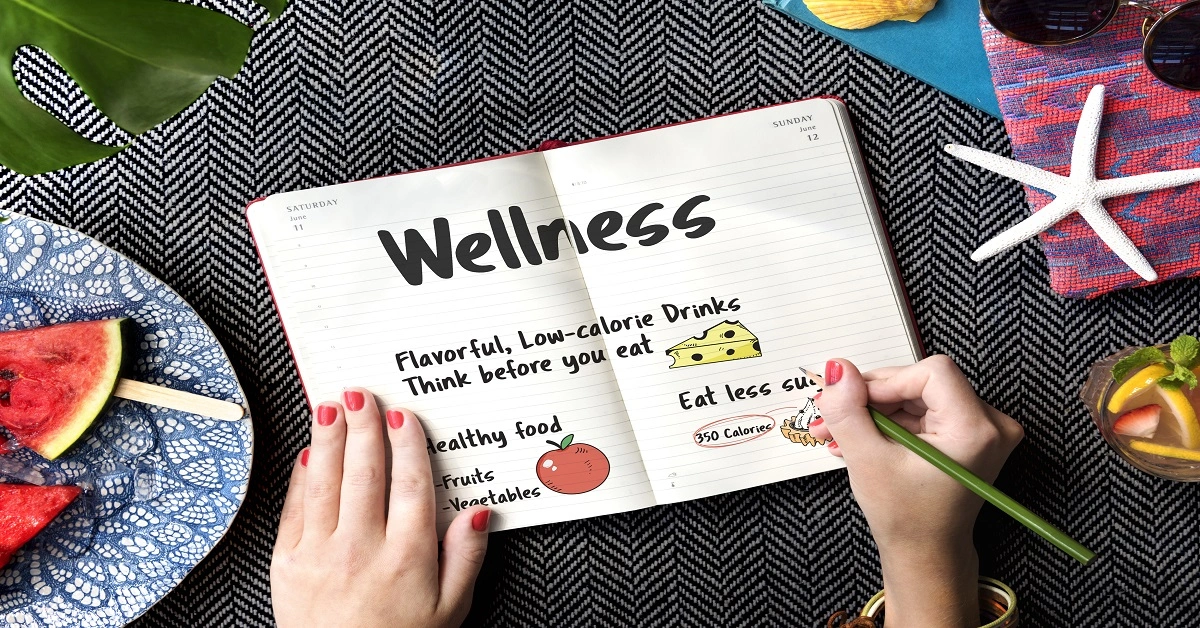
Understanding Holistic Wellness
Holistic wellness means looking at health as a complete picture rather than focusing on only one area. A person may eat nutritious meals but rarely exercise. Another person may exercise regularly but sleep poorly or experience constant stress. Both situations show why health involves several connected habits.
The approach presented by The Healthy Primate centers on nutrition, mental well-being, physical fitness, and practical lifestyle choices. Its official website describes itself as a platform focused on holistic well-being and provides material across nutrition, mental health, and fitness.
This broad perspective can be useful because everyday health is rarely determined by a single decision. What you eat, how much you move, how you sleep, and how you respond to pressure can all influence your overall quality of life.
Why Whole-Person Health Matters
Whole-person health encourages people to think beyond short-term results. Instead of asking, “How can I lose weight quickly?” a more useful question may be, “What habits can I maintain for years?”
That shift can make healthy living less stressful. You don’t need to follow an extreme diet or spend hours in a gym. You can begin with manageable improvements, such as eating more vegetables, taking regular walks, reducing unnecessary screen time, or establishing a consistent bedtime.
A balanced approach also recognizes that people have different circumstances. A healthy routine for a university student may look different from one for a parent, office worker, or older adult.
The Mind-Body Connection

Mental and physical health are closely connected. Poor sleep can make concentration harder. High stress can affect appetite and daily energy. A sedentary lifestyle may leave someone feeling sluggish, while regular physical activity can support mood and general well-being.
This doesn’t mean every health problem can be solved through lifestyle changes. Medical conditions require appropriate professional care. However, healthy daily habits can complement medical treatment and help people take a more active role in their overall wellness.
Nutrition as a Foundation of Wellness
Food provides the energy and nutrients needed for everyday activities. A healthy diet doesn’t need to be complicated. In most cases, the goal should be variety, balance, and reasonable portions.
A nutritious eating pattern can include vegetables, fruits, whole grains, legumes, lean sources of protein, nuts, seeds, and appropriate sources of healthy fats. The exact combination depends on personal needs, cultural preferences, budget, allergies, and medical considerations.
Choosing Nutrient-Dense Foods
Nutrient-dense foods provide useful vitamins, minerals, protein, fiber, or other nutrients relative to their calories. Examples include:
- Leafy green vegetables
- Beans and lentils
- Eggs
- Fish
- Yogurt
- Oats
- Whole grains
- Fresh fruits
- Nuts and seeds
- Lean poultry
- A variety of colorful vegetables
Rather than labeling foods as completely “good” or “bad,” it’s often more practical to consider how frequently and how much of each food you consume.
For example, enjoying a dessert occasionally doesn’t automatically make an otherwise balanced diet unhealthy. The bigger picture matters.
Building Balanced Meals
A simple plate method can make meal planning easier. Try combining a source of protein with vegetables or fruit, a whole-grain or other carbohydrate source, and a moderate amount of healthy fat.
For breakfast, you might choose eggs with whole-grain toast and fruit. For lunch, consider grilled chicken, beans, vegetables, and brown rice. Dinner could include fish, roasted vegetables, and potatoes.
The key is flexibility. Healthy eating should fit real life rather than becoming another source of pressure.
The Importance of Regular Physical Activity
Exercise is another major part of a healthy lifestyle. Physical activity can help maintain strength, mobility, cardiovascular fitness, and functional independence.
You don’t necessarily need expensive equipment. Walking, cycling, swimming, dancing, bodyweight exercises, and recreational sports can all provide opportunities to move.
Simple Ways to Stay Active
If you have a busy schedule, look for small opportunities:
- Take a short walk after meals.
- Use stairs when practical.
- Stretch during work breaks.
- Walk while talking on the phone.
- Do simple bodyweight movements at home.
- Spend time outdoors.
- Choose an enjoyable physical activity.
The best exercise is often the activity you’ll actually continue doing. If you dislike running, there’s no reason to force yourself to run every day. Try walking, cycling, swimming, or another activity you enjoy.
Strength, Flexibility, and Cardio
A well-rounded fitness routine can include different forms of movement. Cardiovascular activities challenge the heart and lungs, while strength exercises help develop and maintain muscular capacity. Mobility and flexibility work can help people move comfortably through everyday activities.
Beginners should progress gradually. Starting too aggressively can increase soreness and make the routine difficult to maintain. People with medical conditions, significant injuries, or other concerns should seek appropriate professional guidance before beginning a new exercise program.
Protecting Mental and Emotional Well-Being
Physical health is only one part of wellness. Emotional and mental well-being deserve attention, too.
Modern life can be demanding. Work responsibilities, financial concerns, family obligations, social pressures, and constant digital notifications can leave people feeling overwhelmed. Healthy coping strategies can help, although serious or persistent mental health concerns should be discussed with a qualified professional.
Managing Everyday Stress
Stress management doesn’t require a perfect lifestyle. Simple practices can make daily life more manageable.
Consider:
- Taking slow, intentional breaths
- Going for a walk
- Spending time with supportive people
- Limiting unnecessary notifications
- Writing down concerns
- Practicing mindfulness
- Taking regular breaks
- Maintaining a predictable daily routine
Even a few quiet minutes can provide a useful pause during a busy day.
Creating Healthy Mental Habits
Positive mental habits often involve recognizing what you can and can’t control. Trying to solve every problem simultaneously can be exhausting. Instead, identify the next practical step.
Gratitude, journaling, meditation, meaningful hobbies, social connection, and time in nature may also contribute to a healthier lifestyle for some people.
The goal isn’t to eliminate every negative emotion. Sadness, frustration, and worry are normal parts of human life. The goal is to develop healthier ways of responding to difficult experiences.
Building Better Sleep Habits
Sleep is sometimes treated as optional, especially by people with demanding schedules. Yet quality sleep is an important part of overall health.
Adults generally benefit from consistent sleep schedules and a suitable sleep environment. Individual sleep needs vary, but regularly getting insufficient sleep can interfere with concentration, mood, energy, and daily performance.
Why Sleep Shouldn’t Be Ignored
A useful bedtime routine can include:
- Going to bed and waking at similar times
- Keeping the bedroom comfortable and quiet
- Limiting stimulating activities before bed
- Reducing unnecessary late-night screen use
- Avoiding excessive caffeine late in the day
- Creating a relaxing wind-down period
If sleep problems persist or significantly affect daily life, speaking with a healthcare professional is a sensible step.
Hydration and Daily Energy

Water is essential for normal body function. Hydration needs vary depending on factors such as climate, physical activity, diet, age, and individual circumstances.
Instead of waiting until you’re extremely thirsty, make water available throughout the day. People who exercise or spend time in hot environments may need additional fluids.
Water doesn’t have to be boring, either. Adding slices of lemon, cucumber, or fresh fruit can make it more appealing without turning it into a sugary beverage.
At the same time, hydration isn’t a competition. Drinking excessive amounts of water isn’t automatically healthier. Your needs depend on your circumstances.
Creating Sustainable Healthy Routines
One of the biggest mistakes people make is trying to change everything at once. A person may suddenly adopt a strict diet, intense workout plan, complicated supplement routine, and rigid sleep schedule. It can work briefly, but maintaining so many changes can become difficult.
Start Small and Stay Consistent
A better approach is to build one habit at a time.
For example:
Week 1: Add a daily 15-minute walk.
Week 2: Add one extra serving of vegetables each day.
Week 3: Establish a consistent bedtime.
Week 4: Add two simple strength sessions per week.
These are examples rather than universal prescriptions. The right pace depends on your individual situation.
Consistency usually beats intensity when the goal is long-term lifestyle change.
Using Health Information Responsibly
The internet contains an enormous amount of health information. Some of it is helpful, while some is exaggerated, incomplete, or misleading.
Readers should be cautious about claims promising instant weight loss, miracle cures, guaranteed results, or dramatic health changes from a single food or supplement.
The Healthy Primate’s current site covers a wide range of wellness subjects, including nutrition, fitness, mental well-being, and holistic health.
You can explore the site’s material directly through TheHealthyPrimate.org.
Evaluating Online Wellness Advice

Before following a health recommendation, consider:
- Who wrote the information?
- Is the claim supported by credible evidence?
- Does the article distinguish facts from opinions?
- Are potential risks discussed?
- Does it promise unrealistic results?
- Does it encourage professional care when appropriate?
- Is the information relevant to your individual circumstances?
A trustworthy health article should help readers make informed decisions rather than pressure them into a particular product, treatment, or lifestyle.
15 Powerful Wellness Habits
Here are 15 practical habits that can support a balanced approach to everyday wellness:
| No. | Wellness Habit | Simple Action |
| 1 | Eat more whole foods | Include vegetables, fruits, grains, and protein |
| 2 | Stay hydrated | Keep water available throughout the day |
| 3 | Walk regularly | Add short walks to your routine |
| 4 | Strengthen your body | Use resistance or bodyweight exercises |
| 5 | Protect sleep | Maintain a consistent bedtime |
| 6 | Manage stress | Use breathing, movement, or quiet time |
| 7 | Take breaks | Step away from screens and work periodically |
| 8 | Build social connections | Spend quality time with supportive people |
| 9 | Practice mindful eating | Slow down and pay attention to meals |
| 10 | Reduce unnecessary sugar | Choose healthier everyday beverages |
| 11 | Spend time outdoors | Add nature-based activities when possible |
| 12 | Limit sedentary time | Move regularly during long sitting periods |
| 13 | Set realistic goals | Focus on achievable improvements |
| 14 | Review your progress | Notice what works and what doesn’t |
| 15 | Seek professional advice | Consult qualified professionals for health concerns |
These habits don’t need to be completed perfectly. Think of them as a menu of options. Pick the ones that make sense for your lifestyle and gradually build from there.
How to Make Wellness More Practical
A healthy lifestyle becomes easier when it is convenient. Keep nutritious foods accessible, prepare simple meals in advance, place walking shoes somewhere visible, and create a relaxing area for reading or quiet time.
Environment matters more than many people realize. If healthier choices are easier to make, you’re more likely to make them consistently.
For example, keeping fruit visible can make it easier to choose fruit as a snack. Preparing a few basic ingredients ahead of time can reduce the temptation to rely on fast food when you’re busy.
The same principle applies to exercise. If your workout equipment is already accessible, a short home workout may feel much easier to start.
The Role of Personal Goals

Everyone has different priorities. One person may want more energy, another may want better fitness, and someone else may simply want to establish a more organized routine.
Start by identifying your primary goal. Then select a few habits that support it.
Instead of saying, “I need to become completely healthy,” create a measurable goal such as:
- Walk for 20 minutes five days a week.
- Add vegetables to lunch and dinner.
- Go to bed at a consistent time.
- Drink water instead of sugary drinks more often.
- Spend 10 minutes each evening away from screens.
Specific goals are easier to monitor than vague promises.
FAQs
1. What is get blog thehealthyprimate.org?
get blog thehealthyprimate.org refers to content associated with The Healthy Primate and its focus on wellness, nutrition, fitness, mental well-being, and healthier lifestyle choices. The site’s stated mission emphasizes a holistic approach to health.
2. What topics can readers find on The Healthy Primate?
The website covers areas including nutrition and diet, holistic health, fitness, mental wellness, healthy routines, and lifestyle-related topics. Its homepage currently features articles across these broad categories.
3. Is The Healthy Primate suitable for beginners?
Yes. Wellness information can be useful for beginners when it is presented in clear, practical language. Readers should still consider their individual needs and consult qualified professionals for medical questions.
4. Does healthy living require an expensive diet?
No. Many nutritious foods can be affordable, including beans, lentils, oats, seasonal vegetables, fruits, eggs, and whole grains. Planning meals and buying commonly used ingredients in sensible quantities can also help control costs.
5. How can I start a healthier lifestyle?
Start with one or two realistic habits. You might begin with regular walking, improved meal choices, better hydration, or a consistent sleep schedule. Once those habits become comfortable, add another small improvement.
6. How important is exercise for overall wellness?
Regular physical activity is an important part of a healthy lifestyle. Different forms of movement can support cardiovascular fitness, muscular strength, mobility, and general physical function. Choose activities appropriate for your ability and circumstances.
7. Can healthy habits replace medical treatment?
No. Lifestyle habits should not be viewed as a replacement for diagnosis or treatment from qualified healthcare professionals. Healthy routines can support general well-being, but medical conditions may require specific care.
8. How can I avoid misleading health information online?
Look for credible sources, check whether claims are supported by evidence, consider the author’s qualifications, and be skeptical of miracle cures or guaranteed results. When something could significantly affect your health, discuss it with a qualified healthcare professional.
Conclusion
A healthier lifestyle isn’t built through one dramatic decision. It’s created through hundreds of small choices repeated over time. Better food choices, regular movement, adequate sleep, hydration, stress management, social connection, and responsible use of health information can all contribute to a more balanced approach to wellness.
get blog thehealthyprimate.org can serve as a useful starting point for people exploring different areas of holistic health. The Healthy Primate describes its purpose around integrating nutrition, mental well-being, and physical fitness rather than treating these areas as completely separate.
The most important step is to begin realistically. Don’t try to transform your entire life in one weekend. Choose one habit, make it manageable, and give yourself time to build consistency. Then add another improvement when you’re ready.
Remember, healthy living isn’t about being perfect. It’s about making better choices more often, understanding your own needs, and creating routines that you can maintain for the long haul. With patience and practical planning, small changes can become lasting habits—and those habits can help create a healthier, more energetic, and more balanced life.
Post-Article Message: Use the information in this article as general wellness education. Individual health needs vary, so consult an appropriately qualified healthcare professional for personalized medical advice.